Welcome to the paradise of Hawaii. The warmth and beauty of its islands captivate travelers worldwide. It’s easy to get lost in the lush landscapes and stunning views. But if you love nature, you may wonder: Are there snakes in Hawaii? In this blog post, we’ll answer that question and more. Read on to learn the lowdown on snakes in the paradise of Hawaii.
Hawaii’s Environment and Fauna: Why There Are No Snakes in Hawaii
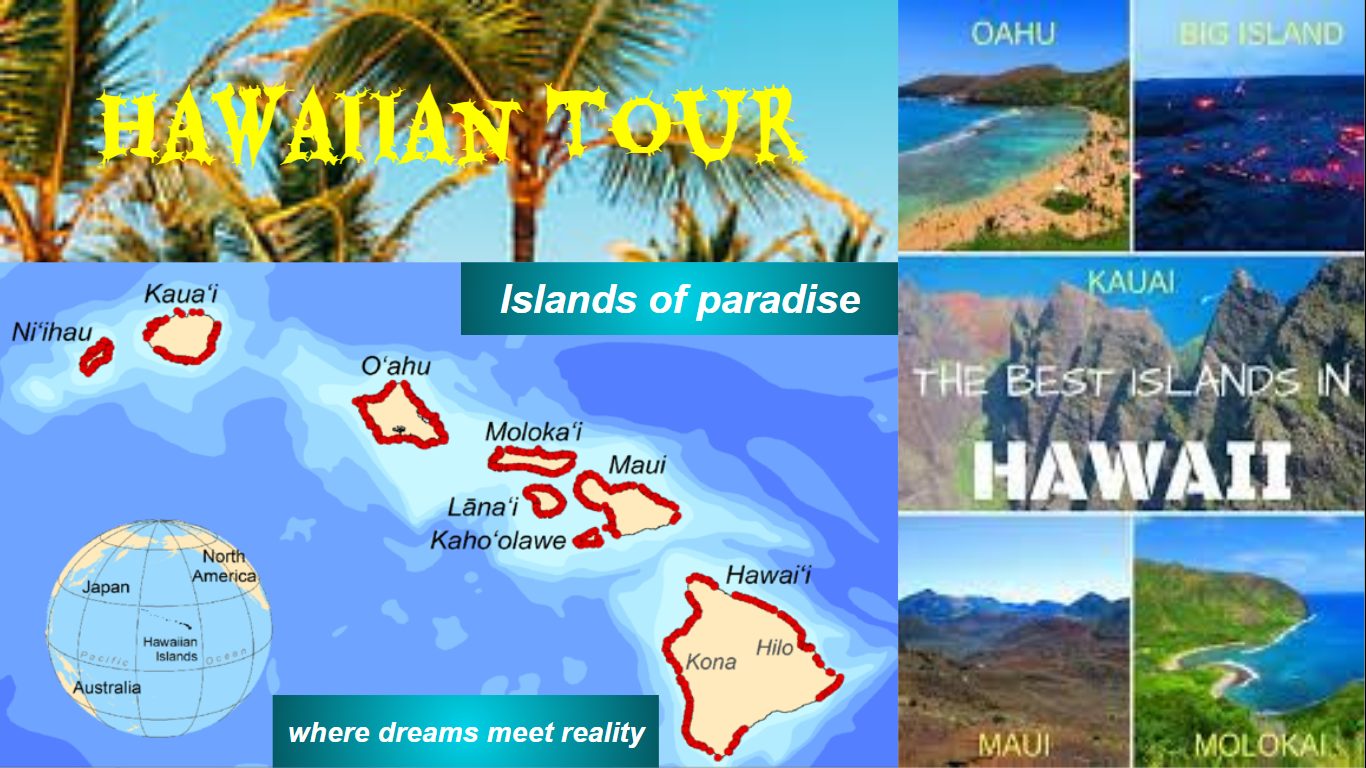
Tourists love Hawaii for its pristine beaches, lush rainforests, and exotic wildlife. The central Pacific Ocean hosts the Hawaiian archipelago, which has 137 islands, but people live on only eight.The Hawaiian Islands have a diverse range of ecosystems, from coral reefs to volcanic craters. These ecosystems are home to a unique and delicate balance of flora and fauna.
The Hawaiian Islands are famous for native birds, plants, and animals found only in Hawaii. However, one species that is notably absent from Hawaii’s ecosystem is the snake. Snakes are not native to Hawaii, and there are no natural predators for them on the islands.
The absence of snakes in Hawaii is not a recent development. Scientists believe that snakes were never able to reach the islands due to their isolation from the mainland. Hawaii’s isolation, coupled with its unique geography and weather patterns, created an environment that is unsuitable for snakes to survive.
The lack of snakes in Hawaii is not only fascinating, but it also has ecological benefits. Hawaii is home to many endangered and endemic species, and the introduction of snakes could potentially have catastrophic effects on the local wildlife. Therefore, the Hawaiian government takes proactive measures to prevent snakes from entering the islands and disrupting the delicate balance of their ecosystem.
Why Snakes in Hawaii Are Not Native to the Islands
When we think of tropical paradises, we often associate them with wildlife that is both exotic and breathtakingly beautiful. Snakes, however, are not typically part of that picture—at least not in Hawaii.
One of the primary reasons for the absence of snakes in Hawaii is the isolated nature of the island chain. Situated roughly 2,500 miles from the nearest continent, Hawaii is one of the most remote landmasses on Earth. This distance has allowed Hawaii’s fauna to develop over millennia in a unique and diverse way.
Historical Reasons for Snake Absence in Hawaii
Another reason snakes are not found in Hawaii is that there were simply no snake populations present when humans arrived. The first inhabitants were Polynesian voyagers, who did not bring snakes with them. Instead, they relied on other sources of food and materials, which were abundant on the islands.
Why Hawaii’s Environment Is Unsuitable for Snakes
The Hawaiian environment also did not provide ideal living conditions for snakes. The temperature, humidity, and available food sources on the islands differ from those typically found in natural snake habitats, making it difficult for snakes to establish populations.
The Threat of Invasive Snakes to Hawaii
Despite these natural barriers, the threat of invasive snake species to Hawaii is very real. The recent history of the brown tree snake invasion on Guam serves as a cautionary tale, highlighting the devastating effects when a non-native snake is introduced to a new ecosystem.
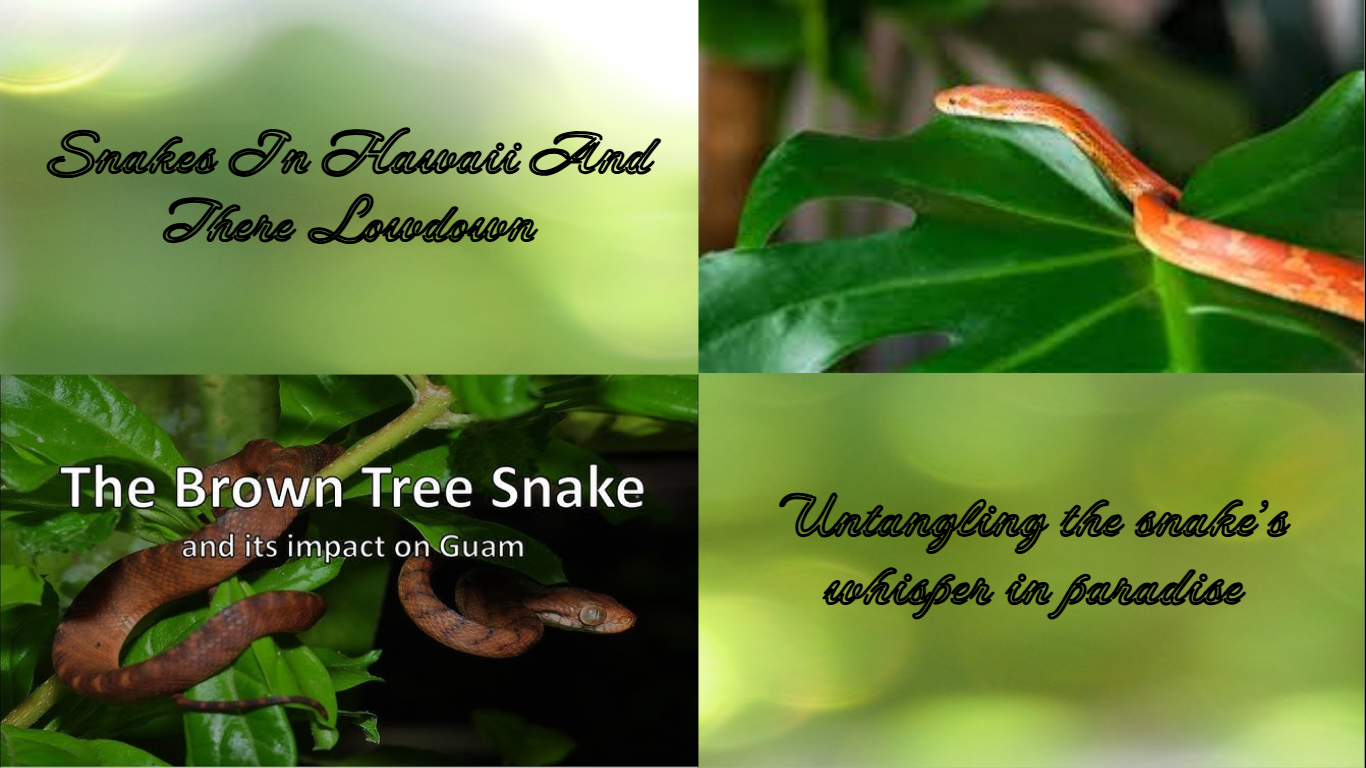
The Brown Tree Snake Invasion on Guam
The brown tree snake, native to Southeast Asia, arrived on Guam in the 1940s, likely through military transport. Without natural predators, their population exploded, causing significant ecological and economic damage. They decimated Guam’s native bird population over 10 of 12 species went extinct and caused frequent power outages by climbing poles and shorting transformers.
Why the Brown Tree Snake Is a Concern for Hawaii
Hawaii’s similar environment raises concerns about the potential spread of brown tree snakes to the islands. Although strict regulations exist to prevent live animal importation, snakes could still hitch rides on boats or planes.
Hawaii’s Efforts to Prevent Snake Introduction
To combat this threat, Hawaii has implemented rigorous inspection programs. Cargo, mail, and passenger luggage are thoroughly searched, and specially trained detector dogs are used to sniff out any snakes that might have arrived unnoticed.
The Importance of Vigilance
Currently, there are no known snakes in Hawaii. However, the brown tree snake invasion on Guam serves as a stark reminder of how invasive species can disrupt ecosystems. Continued vigilance and preventive measures remain critical to keeping Hawaii snake-free.
Efforts to prevent snake introduction to Hawaii
As a state that is free from snakes, Hawaii has implemented stringent measures to prevent any introduction of these reptiles onto its islands. One of the major reasons for this is due to the ecological damage that snakes can cause. Hawaii’s delicate ecosystem has evolved in isolation, and the presence of snakes could have a disastrous impact on its flora and fauna.
The Hawaii Department of Agriculture (HDOA) enforces strict biosecurity at airports and harbors to stop snakes from arriving. Sniffer dogs check cargo and baggage, and ships are inspected before docking. The HDOA also operates an exotic animal hotline where residents can report any sightings of snakes or other prohibited animals.
Hawaii mandates a 120-day quarantine for all animals to prevent accidental release of pet snakes. The HDOA inspects pet shops and breeders to stop prohibited species.
It’s worth noting that while these measures are in place to prevent snakes from entering Hawaii, they also apply to other exotic animals that could harm Hawaii’s ecosystem. Therefore, it’s important to understand the laws and regulations before bringing any animals to Hawaii. By working together to prevent snake introduction, we can help preserve Hawaii’s unique ecosystem for future generations.
Are there any snakes in Hawaii currently?
Luckily, the answer is no! Hawaii has a strict quarantine system that prevents any non-native species, including snakes, from entering the islands. The quarantine process involves a thorough inspection of all incoming cargo, including luggage, to ensure that no unauthorized items make their way into Hawaii.
While there have been occasional reports of snake sightings in Hawaii, these have almost always been false alarms or cases of mistaken identity. The most commonly misidentified species is the Brahminy blind snake, which is actually a small, harmless worm-like reptile that feeds on insects and does not pose a threat to humans.
However, despite Hawaii’s strong preventative measures, there is still cause for concern. The brown tree snake, an invasive species from Southeast Asia, has already wreaked havoc on Guam, where it has decimated local bird populations and caused widespread ecological damage. There is a fear that the brown tree snake could potentially make its way to Hawaii and wreak similar havoc on the islands’ delicate ecosystems.
To prevent this from happening, Hawaii’s Department of Agriculture is taking every possible precaution to keep the brown tree snake out of the state. This includes extensive inspection protocols for all incoming cargo and the use of snake-sniffing dogs at ports of entry. By remaining vigilant and proactive, Hawaii hopes to keep its islands free from these invasive and potentially destructive predators.
Commonly mistaken snake-like species in Hawaii
Although snakes don’t naturally live in Hawaii, some species look and move like snakes, causing confusion.
One such species is the Brahminy Blind Snake. This tiny, harmless creature looks like a worm because of its size and burrowing habits. It is actually a type of legless lizard and is native to Southeast Asia. Brahminy Blind Snakes were first reported in Hawaii in the 1800s and have since become established on all of the main islands. They are considered harmless and primarily feed on ants and termites.
Another species that may be mistaken for a snake is the Hawaiian Blind Snake, also known as the flowerpot snake. Like the Brahminy Blind Snake, this species is a legless lizard. It is only found in Hawaii and is not commonly seen due to its subterranean habits. Hawaiian Blind Snakes are non-venomous and feed on small invertebrates.
It is important to note that if you encounter a creature that you suspect is a snake in Hawaii, it is best to take precautions and treat it as if it were a snake. Contact the Hawaii Department of Agriculture or local authorities for guidance on how to handle the situation.
What to do if you encounter a snake or suspected snake in Hawaii
Although the chances of seeing a snake in Hawaii are slim, it’s best to be prepared just in case. If you spot a snake or suspect that you have, the first thing to do is to stay calm. Keep a safe distance from the snake and do not attempt to handle it or catch it.
If you are in a public area or on a trail, report the sighting to a park ranger or other authority figure. They will know how to properly handle the situation and ensure the safety of both people and wildlife.
If you find a snake on private property, contact a pest control expert experienced in snake removal. Attempting to remove the snake yourself can be dangerous, especially if you are not familiar with the species and its behavior.
Remember, it’s always important to respect wildlife and their habitats in Hawaii. Avoid littering or disturbing their environment and always stay on designated trails. By following these guidelines, you can help preserve the natural beauty and diversity of Hawaii’s ecosystems.