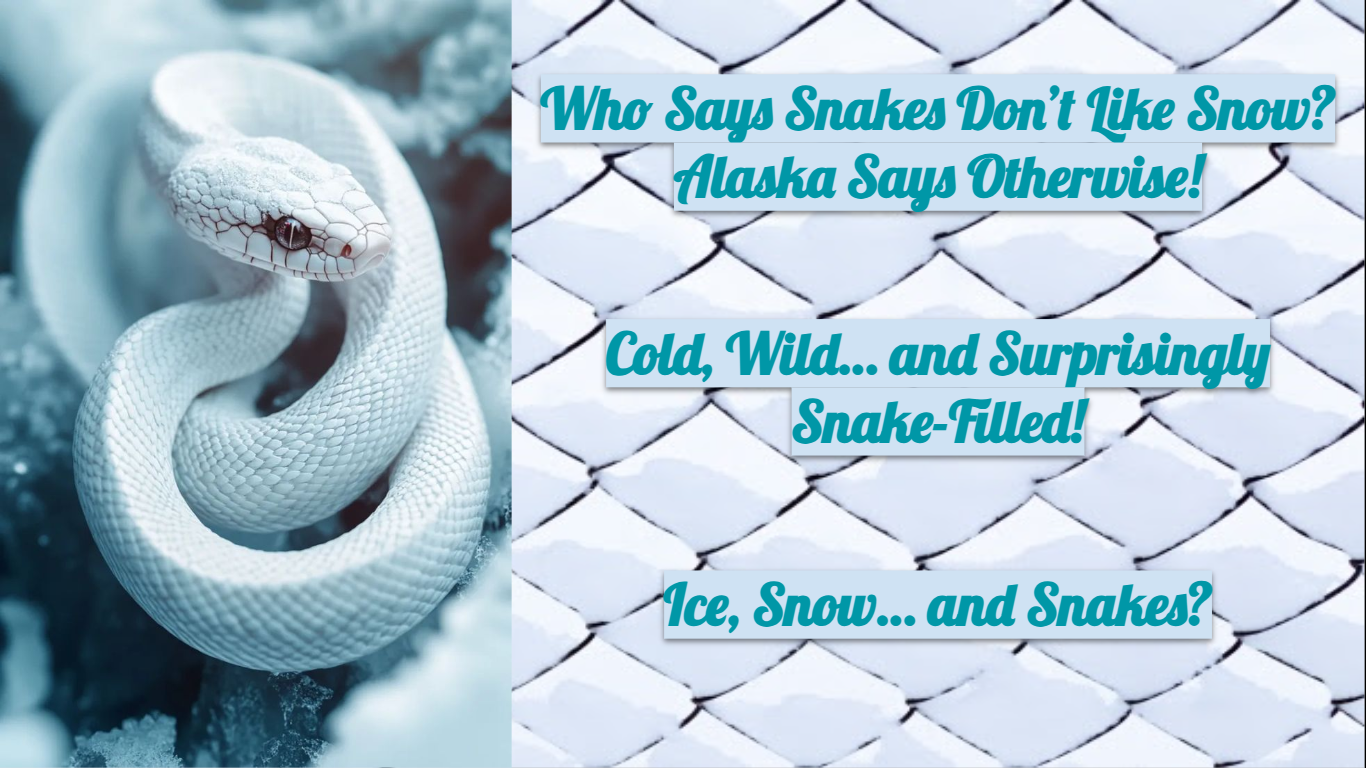
Alaska is famous for its breathtaking landscapes, towering mountains, and diverse wildlife. But here’s a twist: this icy wilderness is also home to snakes! Yes, snakes in Alaska slithering, surprising, and surprisingly clever. Often feared and misunderstood, these reptiles play a crucial role in the Alaskan ecosystem. Are they dangerous? Rarely. Are they fascinating? Absolutely! In this blog, we’ll uncover the different snake species in the state, explore their behavior, and learn how humans can safely coexist with them. Let’s dive into Alaska’s mysterious slithering world!
You might think snakes in icy Alaska sound impossible but they’re real, and their survival tricks are incredible! Most prefer the southern regions, where the climate is milder, hiding under rocks, weaving through logs, or sneaking through thick vegetation. These reptiles are masters of stealth, rarely seen but always present. Catching a glimpse of one is an adrenaline rush for wildlife enthusiasts. By understanding how they move, hunt, and survive, we gain a whole new appreciation for these secretive, cold-climate survivors Alaska’s hidden, slithering stars!
The Snakeless Reputation of Alaska
When we think of Alaska, our minds are filled with images of glaciers, bears, and other wildlife that thrive in its frigid terrain. But one thing that never comes to mind is snakes. For years, Alaska has been perceived as a state that is completely devoid of snakes. This belief is mainly due to its location in the northernmost region of the United States, which is far too cold for most snake species.
However, this is just a myth. Alaska does have snakes, although not in the numbers and diversity seen in warmer states. With its harsh, unforgiving climate and frozen landscapes, snakes have evolved to adapt to Alaska’s environment in fascinating ways. The snakes found in Alaska are unique, interesting, and some of the most resilient creatures you’ll ever come across.
So, if you are planning a trip to Alaska, it’s important to be aware of the fact that snakes do exist in the state. This doesn’t mean you should avoid the outdoors or that you will encounter snakes around every corner. It’s just a reminder that Alaska’s wildlife is as diverse as it is fascinating, and that’s part of the allure of this wild frontier.
The Truth About Snakes in Alaska
Contrary to popular belief, Alaska does have snakes, though they are relatively uncommon. Its cold climate, remote location, and unique geography have long given the impression that the state is snake-free. This perception even makes Alaska a favorite destination for people with snake phobias. Yet, several snake species do call Alaska home, including the Western Terrestrial Garter Snake, the Common Garter Snake, and the Northwestern Garter Snake.
Alaska’s snakes may be fewer in number compared to other states, but they are no less fascinating. These reptiles have developed clever adaptations to survive the state’s harsh, cold environment. For example, Alaskan garter snakes can endure extreme temperatures by relying on their surroundings to regulate body heat. Being cold-blooded, they cannot warm themselves internally and must use sunlight, rocks, or other heat sources to stay active. During the long winters, these resilient snakes hibernate in burrows, beneath logs, or in rock crevices to survive the freezing months.
Overall, it’s important to know that Alaska is not a snake-free zone. Though snake sightings may be infrequent, there are still a few species that thrive in the state. While these creatures are not necessarily harmful to humans, it is still best to maintain a healthy distance and observe them from afar. By understanding and appreciating the unique wildlife that inhabits Alaska, we can foster a better relationship with our environment and ensure the continued success of the region’s diverse ecosystem.
What Types of Snakes Live in Alaska?
Alaska may surprise you this icy state is home to three snake species. The most common is the common garter snake, with its bright green and yellow stripes, found across much of Alaska. The Northwestern garter snake looks very similar but is less widespread. Alaska’s only venomous snake is the Alaska pit viper, also called the western rattlesnake, which mainly lives in the southeastern regions and is rarely seen by people. Overall, snakes in Alaska are few, making every sighting a rare and fascinating experience.
Adaptations That Allow Snakes to Thrive in the Alaskan Environment
The harsh and unpredictable environment of Alaska has shaped the snakes that live there into tough survivors with unique adaptations. One such adaptation is their ability to survive long, cold winters. Many snakes hibernate underground during the winter months, reducing their metabolic rate and conserving energy until spring. The garter snake, a common species in Alaska, can even tolerate freezing temperatures by producing antifreeze-like substances that prevent their blood from turning into ice.
Another adaptation that allows snakes to thrive in Alaska is their ability to camouflage. Snakes blend in with their surroundings to avoid detection by predators and prey alike. For example, the common garter snake has a brownish-green coloration that helps it blend in with the forest floor.
Snakes in Alaska have also developed unique hunting strategies. The northern water snake, for example, can dive up to two meters below the surface to catch fish. Meanwhile, the coastal tailed frog preys exclusively on small rodents, which it catches using ambush tactics.
Overall, the adaptations that snakes have developed in Alaska allow them to survive in a challenging environment and carve out a niche for themselves in the state’s diverse ecosystem.
How Do Alaskans Coexist with Snakes?
Despite the presence of snakes in Alaska, Alaskans have found a way to coexist with them. They understand that snakes play an important role in the ecosystem and they also respect their space. Alaskans have learned to adapt and make the necessary adjustments to keep themselves and the snakes safe.
For instance, during the summer months when snakes are more active, Alaskans are careful when hiking or working in areas where snakes may be present. They wear appropriate footwear and avoid walking through tall grass or rocky areas where snakes may be hiding.
Alaskans keep their yards and surroundings tidy, removing clutter that could hide snakes. They also keep pets on a leash to prevent encounters or bites.
Furthermore, Alaskans have taken steps to educate themselves about the different species of snakes found in the region. This knowledge helps them understand which snakes are venomous and how to avoid them, while also allowing them to appreciate and respect the non-venomous species.
Overall, Alaskans have learned to coexist with snakes by being mindful of their presence and taking the necessary precautions to ensure safety for both themselves and the snakes.
Fun Facts About Snakes in Alaska
1. There are only two species of snakes in Alaska: the garter snake and the rubber boa.
2. The garter snake is one of the most widespread snakes in North America and can be found in every state except Hawaii.
3. The rubber boa is a slow-moving, nocturnal snake that is well-adapted to the cold temperatures of Alaska.
4. Snakes in Alaska are not venomous, and they pose little to no threat to humans.
5. During the winter, snakes in Alaska hibernate in underground burrows or dens to survive the cold weather.
6. Some species of snakes in Alaska have a unique adaptation called thermoregulation, which allows them to maintain a stable body temperature in the cold weather.
7. Snakes in Alaska are important predators in the ecosystem, feeding on rodents, insects, and other small animals.
8. In Alaska, snakes are considered to be a sign of good luck and are often featured in local folklore and legends.
9. Despite their small size and lack of threat to humans, snakes in Alaska are still feared and misunderstood by many people.
10. Learning about these fascinating creatures and their role in Alaska’s ecosystem helps dispel myths and shows why every animal matters.