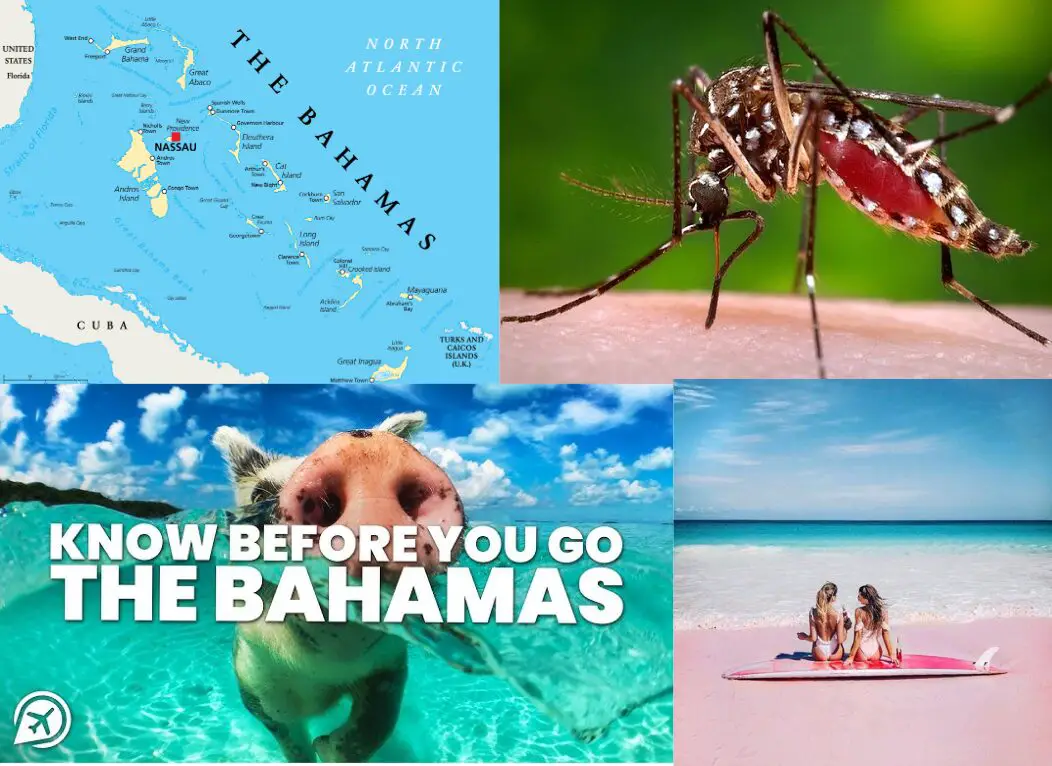
Mosquito Protection In The Bahamas is essential for anyone planning a trip to this beautiful tropical destination. If you’re wondering whether mosquitoes are common in the Bahamas, the answer is yes — they are present, especially during warmer months. But don’t worry, with the right mosquito protection in the Bahamas, you can enjoy your getaway without worrying about pesky bites. In this blog post, we’ll share useful tips to keep mosquitoes at bay and make your trip comfortable and safe. Read on to learn more!
Are mosquitoes present in the Bahamas?
Yes, mosquitoes are present in the Bahamas, just like in most tropical destinations. They are especially prevalent during the summer months, which can extend from May to October. Mosquitoes breed in stagnant water, which is abundant in the Bahamas due to its many islands, marshes, and mangroves.
While not all mosquitoes carry diseases, those in the Bahamas can transmit a few potentially serious illnesses. These include dengue fever, chikungunya, and the Zika virus. It’s important to note that the risk of contracting these diseases is generally low, but it’s still important to take precautions to avoid mosquito bites.
Insect bites can ruin a holiday, particularly when it’s itchy, painful and ruins the overall enjoyment of your holiday experience. Taking precautions against mosquitoes in the Bahamas is therefore necessary. We recommend wearing protective clothing such as long-sleeved shirts, trousers and hats. It’s also a good idea to avoid wearing dark clothes as mosquitoes are often attracted to them. You can use an insect repellent to ward off mosquitoes, which contains DEET, Picaridin, or other recommended active ingredients. Always follow the manufacturer’s instructions when using insect repellent and try to apply it as frequently as recommended. In addition, if you’re staying in an outdoor area, using mosquito nets and keeping your room well-sealed will help keep mosquitoes out.
While mosquito bites may be a minor annoyance, they can pose health risks that are best avoided. By taking the necessary precautions before and during your Bahamas trip, you can have peace of mind knowing you’ve taken steps to protect yourself from mosquito bites and the diseases they may carry.
Mosquito Risks in the Bahamas
Like in many other tropical regions, mosquitoes in the Bahamas can carry and transmit diseases to humans. Some of the most common mosquito-borne diseases in the Bahamas include dengue fever, chikungunya, and Zika virus.
Dengue fever is a viral illness that can cause high fever, severe headaches, joint and muscle pain, and rash. The disease is spread by Aedes aegypti mosquitoes, which are active during the daytime. Chikungunya is also caused by the same mosquito species and has similar symptoms, including joint pain, fever, and rash.
Zika virus is a relatively new mosquito-borne disease that has gained widespread attention in recent years due to its links to birth defects in infants born to mothers infected during pregnancy. The disease can also cause symptoms such as fever, rash, and joint pain.
While the risk of contracting these diseases in the Bahamas is relatively low, it’s important to take precautions to prevent mosquito bites and reduce your risk of exposure. Mosquito control efforts by local authorities and hotel properties are ongoing, but it’s always best to take personal protective measures.
By taking steps such as using insect repellent, wearing long-sleeved clothing and pants, and staying indoors during peak mosquito activity times, you can greatly reduce your risk of mosquito-borne diseases while enjoying your Bahamas getaway.
Mosquito Safety: Precautions for Your Bahamas Trip
If you’re planning a trip to the Bahamas, it’s important to take precautions to protect yourself from mosquitoes. Before you depart, research the specific areas you plan to visit and their mosquito activity levels. If you’ll be staying near water sources, such as beaches or marshes, expect to encounter more mosquitoes.
Pack adequate protection in your luggage for mosquito protection in the Bahamas, such as mosquito repellent and protective clothing. Remember, prevention is key. Start using mosquito repellent before arriving in the Bahamas to give your skin time to get used to it. You can also use mosquito nets to cover your bed and windows to prevent mosquitoes from entering your living space.
When outdoors, wear long-sleeved shirts, long pants, and closed-toe shoes. If you’re planning to go swimming, apply repellent to all exposed areas of skin before going into the water. Avoid wearing perfumes or colognes, which can attract mosquitoes.
While it’s tempting to open windows and doors to let in the warm tropical breeze, keep them closed, especially at dawn and dusk, when mosquitoes are most active.
Be aware of the symptoms of mosquito-borne illnesses, such as fever, rash, and headache. If you experience any of these symptoms during or after your trip, seek medical attention immediately.
Taking these precautions before and during your trip can ensure that you have an enjoyable, mosquito-free experience in the Bahamas.
Stay Safe: Mosquito Protection Tips for the Bahamas
When it comes to choosing an insect repellent, there are many different options available. It can be difficult to know which one will work best for you, but taking the time to research and choose the right product can make a big difference in protecting yourself from mosquito bites.
First, it is important to look for a repellent that contains at least 20% DEET. This chemical compound is highly effective at repelling mosquitoes and other insects, and is recommended by the Centers for Disease Control and Prevention (CDC). However, it is important to use DEET-based products according to the instructions on the label and avoid over-application.
For those who prefer a more natural option, there are also insect repellents available that contain essential oils such as citronella, lemon eucalyptus, or peppermint. While these products may be less effective than DEET-based products, they can still provide some protection against mosquitoes.
It is also important to consider the duration of protection provided by the repellent. Some products may provide protection for as little as a few hours, while others may last up to 8 hours. Choose a product that will provide adequate protection for the activities you have planned.
In addition to choosing the right product, it is important to apply insect repellent correctly. Be sure to apply it to all exposed skin, including your face, neck, and ears. Avoid applying it to open cuts or wounds, and do not apply it directly to your eyes or mouth. It is also important to reapply repellent according to the instructions on the label, especially if you are sweating or swimming.
By choosing the right insect repellent and applying it correctly, you can help protect yourself from mosquito bites during your Bahamas getaway.
Ward Off Mosquitoes with Smart Clothing
Wearing protective clothing can also help to reduce your risk of mosquito bites while you are in the Bahamas. Loose, long-sleeved shirts and pants that cover your legs are the best option for protecting yourself against mosquitoes. Not only will they provide a barrier between you and the pesky insects, but they can also help to keep you cool in the warm, tropical climate.
Light-colored clothing is recommended as mosquitoes are attracted to dark colors. If you’re planning on spending a lot of time outdoors or in areas where there are known to be high numbers of mosquitoes, consider investing in insect-repellent clothing. This type of clothing is treated with a special chemical that helps to keep mosquitoes and other biting insects at bay. It is available in many outdoor and sporting goods stores.
If you’re planning on swimming or spending time in the water, consider wearing a swimsuit with long sleeves and pants made of light and breathable material. Remember to reapply insect repellent to any exposed areas after getting out of the water.
Don’t forget to protect your head and feet too. A wide-brimmed hat can help to shield your face, neck, and ears from mosquito bites, while socks and closed-toe shoes can protect your feet.
By taking the time to wear appropriate clothing and accessories, you can enjoy your time in the Bahamas without worrying about getting bitten by mosquitoes.
Other Ways to Protect Yourself in the Bahamas
Aside from using insect repellents and wearing protective clothing, there are other preventative measures you can take to minimize your risk of mosquito bites in the Bahamas.
One effective way to reduce the number of mosquitoes around you is to eliminate any sources of standing water, such as empty flower pots, gutters, or old tires, where mosquitoes like to breed. Keep your accommodations clean and dry, and use air conditioning or mosquito netting at night to keep mosquitoes out.
Mosquitoes are most active during dawn and dusk, so it’s best to avoid being outside during these times. If you do need to be outside, try to stay in areas that are well-lit and away from dense vegetation where mosquitoes tend to hide.
Some people believe that taking vitamin B supplements or using certain essential oils can help repel mosquitoes, but there is no scientific evidence to support these claims.
It’s also a good idea to educate yourself about the symptoms of mosquito-borne illnesses and seek medical attention immediately if you start to feel unwell. Symptoms can range from mild to severe and can include fever, headache, joint pain, and rash.
By taking these extra precautions, you can enjoy your time in the Bahamas without the annoyance and potential health risks of mosquito bites.
Bitten? Quick Mosquito Protection Tips for the Bahamas
Despite taking all the necessary precautions, it is still possible to get bitten by a mosquito in the Bahamas. Don’t worry, there are several steps you can take to minimize the itching and discomfort that comes with mosquito bites.
For mosquito protection in the Bahamas, know how to treat bites. First, wash the area with soap and water. This removes dirt and bacteria. Next, apply a cold compress to reduce swelling and itching. You can also use over-the-counter anti-itch creams or lotions for relief.
If you notice any signs of an allergic reaction, such as difficulty breathing or a severe rash, seek medical attention immediately. Mosquitoes in the Bahamas can transmit diseases such as Zika, Dengue, and Chikungunya, so it is important to be aware of any symptoms that may arise after being bitten.
In addition to treating the bites, you should also take steps to prevent further bites from occurring. Cover up as much of your skin as possible with long sleeves and pants, and use a mosquito net over your bed at night. Make sure to keep windows and doors closed or use screens to keep mosquitoes out.
By taking these precautions and knowing how to treat mosquito bites, you can enjoy your Bahamas getaway without the annoyance of pesky mosquito bites.