
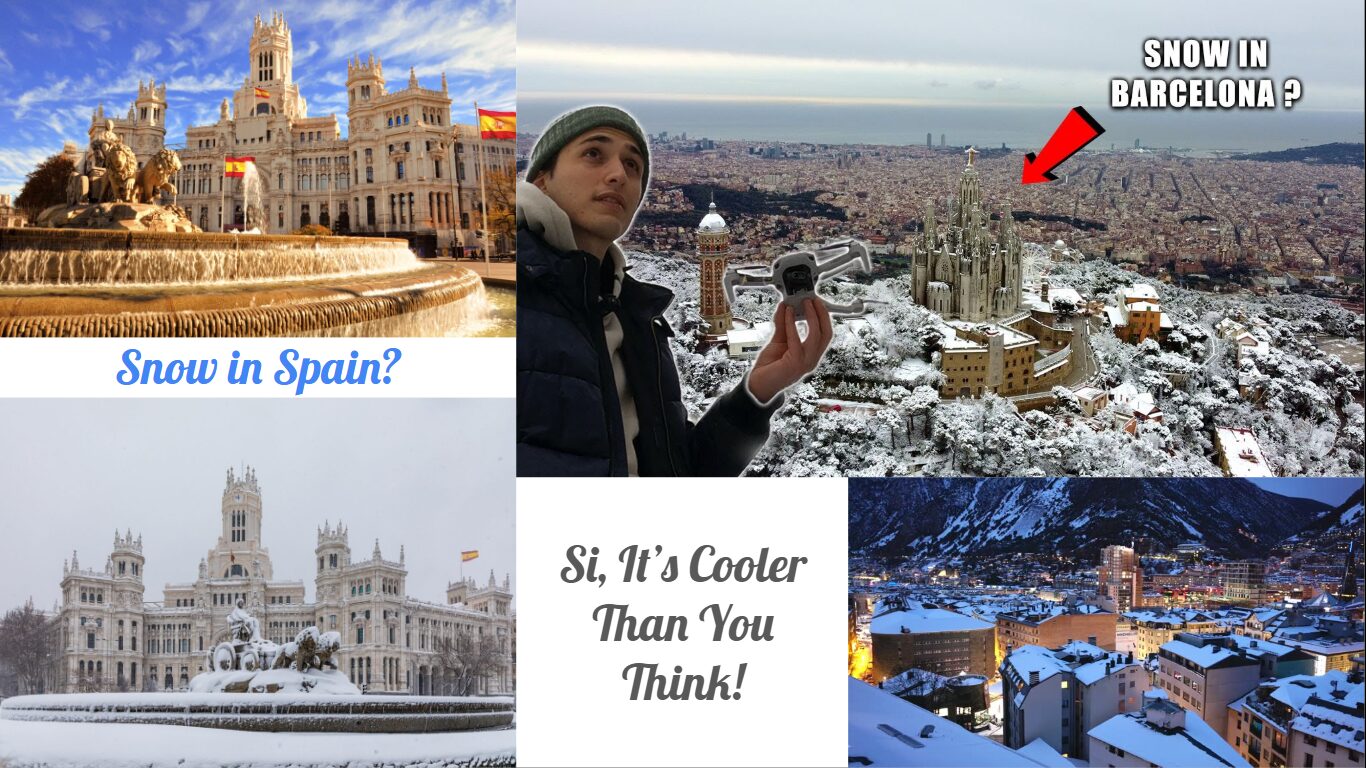
Have you ever wondered if it snows in Spain? It may come as a surprise, but the answer is yes! Despite Spain’s reputation for warm weather and sunny skies, some of its mountainous regions receive regular snowfall throughout the winter months. In this blog post, we will clear the air and discuss how much snow Spain gets each year and which areas experience the most snowfall.
Snow Hotspots: Spain’s Coldest Hidden Gems
When most people think of Spain, they imagine sunny beaches, colorful fiestas, and hot summer days. However, Spain is a diverse country with varying climates and landscapes, and that includes snow.
Snow is common in several regions of Spain, particularly in the northern part of the country. The Pyrenees mountain range, which runs along the border with France, is one of the snowiest areas in Spain. Here, ski resorts like Baqueira Beret, Formigal, and Candanchu attract snow sports enthusiasts from all over Europe.
Another region where snow is common is the Cantabrian Mountains, which stretch along the northern coast of Spain. The peaks of Picos de Europa and Sierra de Gredos are also known for their snowy winters.
In addition, the central region of Castilla y León and the province of Soria are also prone to snow, especially during the months of December to February. And let’s not forget about the Sierra Nevada mountain range in southern Spain, which is home to the highest peak in the country, Mulhacén.
So, if you’re planning a trip to Spain and want to experience the beauty of snow-capped mountains, there are plenty of options to choose from. Just remember to pack warm clothes and your sense of adventure!
Spain’s Snow Zones: Beyond the Beaches
The geography of Spain plays a significant role in the distribution of snow across the country. The presence of various mountain ranges, including the Pyrenees in the northeast, the Sierra Nevada in the south, and the Cantabrian Mountains in the northwest, contribute to the areas that receive the most snowfall.
In general, the northern regions of Spain experience higher levels of snowfall compared to the southern regions. This is because the northern regions are closer to the Atlantic Ocean and receive more moisture-laden air masses, which leads to more precipitation in the form of snow. The Pyrenees, in particular, receive heavy snowfall, making it a popular destination for winter sports enthusiasts.
The central plateau, which includes cities like Madrid, generally receives less snowfall compared to the northern and mountainous regions. This is due to the higher elevation of the plateau, which results in cooler temperatures but less precipitation.
Coastal areas, such as the Mediterranean coast, usually experience milder winters and rarely see significant snowfall. However, there have been rare instances where coastal areas have experienced snow due to unique weather patterns.
Overall, the geography of Spain creates diverse snowfall patterns across the country. Whether you prefer a winter wonderland in the mountains or a mild coastal retreat, there are plenty of options to experience the magic of snow in Spain.
Timing Snow in Spain: Nature’s Icy Schedule
Snow in Spain is not as common as it is in other countries with colder climates, but it does occur. The snow season in Spain usually starts in November and lasts until April, but it varies depending on the region.
In the north of Spain, it snows frequently in the Pyrenees, Cantabrian Mountains, and parts of Galicia and Asturias. Snowfall is more likely in January and February, and it can last for several weeks in some areas.
In the central part of Spain, snow is less common, but it still occurs in the mountains of the Sistema Central and Sierra Nevada. The snow season usually starts in December and lasts until March.
In the south of Spain, snow is rare but not impossible. The Sierra Nevada is the only place where snow is more likely to occur, especially in December and January.
It’s important to note that the snow season and the amount of snowfall can vary greatly from year to year, and it’s always a good idea to check the weather forecast before planning a trip.
Snow Stats in Spain: More Than You’d Think!
Spain is known for its warm climate and sunny skies, but many people may not realize that it also experiences significant snowfall in certain regions. The amount of snow Spain receives each year varies depending on the region and the specific weather patterns. In general, the mountainous areas of Spain, such as the Pyrenees and the Cantabrian Mountains, receive the most snowfall. These regions can accumulate several feet of snow throughout the winter months. Ski resorts in these areas thrive on the plentiful snow, attracting winter sports enthusiasts from around the world. The central region of Castilla y León and the province of Soria also experience significant snowfall, especially during the winter months. Coastal areas and lower elevation regions, on the other hand, typically receive less snowfall or even no snow at all. However, it’s important to note that snowfall can vary from year to year depending on weather conditions. So, if you’re planning a trip to Spain to experience the beauty of snow, be sure to check the weather forecasts and choose your destination accordingly.
Chasing Snowflakes: Magical Winter Spots in Spain
If you’re dreaming of a winter wonderland in Spain, there are several fantastic destinations where you can experience the magic of snow. The Pyrenees mountain range is a must-visit for snow lovers, with ski resorts like Baqueira Beret, Formigal, and Candanchu offering excellent slopes and breathtaking views. The Cantabrian Mountains, including the peaks of Picos de Europa and Sierra de Gredos, also offer ample opportunities for winter sports and snow-covered hikes. The central region of Castilla y León and the province of Soria are ideal for those seeking a more off-the-beaten-path experience, with charming towns surrounded by snowy landscapes. And let’s not forget about the Sierra Nevada mountain range in southern Spain, where you can ski or snowboard on the slopes of Mulhacén, the highest peak in the country. Whether you’re a beginner or an experienced snow enthusiast, these destinations in Spain offer a unique and unforgettable snow experience.
When Spain Turns White: Your Snowy Bucket List
If you happen to be in Spain when it snows, don’t miss the opportunity to enjoy the magical winter wonderland. Here are some activities that you can do when it snows in Spain:
1. Skiing and Snowboarding: Spain has some excellent ski resorts, such as Sierra Nevada, Baqueira Beret, and Formigal. These resorts offer a range of slopes for skiers and snowboarders of all levels.
2. Snowshoeing: Take a snowshoe hike through the snowy landscapes of Spain. You can explore the stunning Pyrenees or Sierra Nevada mountain ranges, which offer breathtaking views.
3. Sledding and Tubing: Go sledding or tubing with family and friends. You can rent a sled or tube and have a blast sliding down the snowy hills.
4. Hot Springs: After a day of playing in the snow, unwind in one of Spain’s hot springs. Some popular hot springs include Las Termas de Griñón, near Madrid, or the Balneario de Panticosa, in the Pyrenees.
5. Christmas Markets: Visit the charming Christmas markets in Spain, where you can find handmade crafts, traditional food, and festive music.
Overall, Spain offers a unique and exciting winter experience, where you can indulge in a range of activities in a snow-covered landscape. Don’t forget to pack your warm clothes and snow boots!
Snow in Spain: A Vanishing Winter Tale?
Like many other parts of the world, Spain is also facing the consequences of climate change, including the reduction of snowfall in its mountainous regions. Over the last few decades, Spain has seen a significant decrease in snow, especially in the Sierra Nevada Mountains and the Pyrenees.
The decrease in snowfall is not only impacting the tourism industry but also affecting the ecological balance of the country. The loss of snow has a domino effect on the water supply, biodiversity, and agriculture of the region. With less snowfall, there is less snowmelt that feeds into rivers and streams, impacting the hydrological cycle of the area.
The future of snow in Spain looks bleak, with researchers predicting a further decrease in snowfall by up to 60% in the next 30 years. The implications of this are massive and not only restricted to Spain but could also impact surrounding countries.
It’s essential for us to act fast and reduce our carbon footprint to limit the damage to our planet. The hope is that the government will take action and invest in sustainable practices to minimize the impact of climate change and help preserve the ecological balance of Spain.