Debunking Common Myths: Yes, Italy Does Get Snow!
Many people assume that Italy is a sunny, Mediterranean country, and that snowfall is rare. However, this assumption is false! Contrary to popular belief, Italy does get snow – and quite a bit of it, too. In this blog post, we’ll be debunking some common myths about Italian weather and exploring why and when the country experiences snowfall. So, if you’ve ever wondered if Italy gets snow, read on to find out the truth!
The Myth: Italy Doesn’t Get Snow
One of the most common misconceptions about Italy is that it doesn’t snow there. This is far from the truth! Italy does get snow, and in fact, some parts of the country experience heavy snowfall during the winter months.
This myth is often perpetuated by the country’s reputation for sunshine, warm weather, and beautiful beaches. But the truth is, Italy’s climate is incredibly varied, ranging from the Mediterranean climate in the south to the continental climate in the north.
It’s important to remember that Italy’s geography plays a significant role in its weather patterns. The country is home to the majestic Alps, which stretch across the northern part of the country and bring heavy snowfall during the winter. The Apennine Mountains, which run down the length of the Italian peninsula, also receive a significant amount of snow each winter.
So while it’s true that Italy is known for its sunshine and beaches, don’t be fooled into thinking that the country doesn’t experience a winter wonderland as well!
Italy’s Geography And Climate
Many people believe that Italy is just a sunny and warm destination. However, this isn’t entirely accurate as Italy has diverse geography and climate throughout the country. Italy has four main climate types: Mediterranean, Alpine, Continental, and Humid Subtropical.
The southern regions of Italy, such as Sicily and Calabria, experience a Mediterranean climate with mild winters and hot summers. However, the northern regions of Italy, such as the Veneto and Lombardy, have an Alpine climate with colder winters and warmer summers. The central regions of Italy, including Tuscany and Umbria, have a more Continental climate with significant variations in temperature between winter and summer.
Italy’s geography plays a significant role in its climate as well. The country has a long coastline and mountains, which can cause different weather patterns in various regions. The Alps, located in the north of Italy, bring snow and freezing temperatures during the winter months. In contrast, the Italian islands in the south of Italy, such as Sardinia and Sicily, have warmer temperatures throughout the year.
Understanding Italy’s diverse geography and climate is crucial for travelers who want to plan their trip accordingly. While some regions might have mild temperatures and sunny days in the winter, others will have heavy snowfall and freezing temperatures. Regardless of the region, Italy has something unique to offer, whether you are looking for a sunny beach vacation or a winter wonderland.
The Alps: Italy’s Winter Wonderland
When we think of snow in Italy, our minds often go straight to the country’s most famous mountain range – the Alps. The Italian Alps are a haven for winter sports enthusiasts, with a plethora of ski resorts to choose from, each with its unique character and charm.
From the picturesque ski town of Cortina d’Ampezzo in the Dolomites to the popular resort of Courmayeur near the French border, there’s something for everyone in the Italian Alps. Skiing, snowboarding, snowshoeing, and ice-skating are just a few of the activities available in these stunning snow-capped peaks.
Aside from the snow sports, the scenery alone is worth the trip to the Italian Alps. Majestic peaks, pristine forests, and charming alpine villages create an atmosphere of peace and serenity, providing an idyllic winter escape.
And let’s not forget the culinary delights on offer. Many ski resorts in Italy are located in the Piedmont region, famous for its hearty cuisine and exquisite wines. Warm up with a bowl of comforting polenta or tuck into a traditional fondue with friends after a day on the slopes.
The Italian Alps may not be the first place that comes to mind when you think of a winter vacation, but it’s certainly one worth considering. With so much natural beauty and winter activities on offer, it’s no wonder why many return year after year.
Ski Resorts In Italy
With the stunning Alps as a backdrop, Italy boasts some of the most picturesque ski resorts in the world. From the charming Dolomites in the north to the rugged peaks of the Aosta Valley in the west, Italy offers a wide range of skiing options for all skill levels.
One of the most popular ski resorts in Italy is Cortina d’Ampezzo, known for its luxurious amenities and spectacular mountain views. Located in the Dolomites, this resort offers over 120 kilometers of ski runs and a variety of winter sports activities, from snowboarding to cross-country skiing.
For a more family-friendly option, consider visiting Selva di Val Gardena. Located in the heart of the Dolomites, this ski resort offers a range of ski runs and is known for its excellent ski schools for children.
For the adventurous skier, head to Cervinia in the Aosta Valley. With its proximity to the Swiss border, skiers can enjoy skiing in both Italy and Switzerland in the same day. The resort also offers views of the famous Matterhorn peak.
No matter which ski resort you choose, Italy’s charming Alpine towns and excellent cuisine make it the perfect winter getaway destination.
Snow In The cities: Rome, Florence And Venice
While the south of Italy may not get as much snow, the central and northern regions, including Rome, Florence, and Venice, do experience snowfall during the winter months. In Rome, the last significant snowfall was in February 2018, when the city was blanketed in white, creating a beautiful and rare winter wonderland. Florence also sees occasional snowfalls, and the city’s historic center is especially enchanting with its snow-covered rooftops and cobblestone streets. Venice, located in the northeastern part of the country, can be quite cold and snowy in the winter, but the snow-covered canals and buildings make for a stunning backdrop for winter photography.
If you plan on visiting these cities during the winter, be sure to pack appropriately and check for any weather-related closures or delays. Some popular tourist sites may also have limited hours during the off-season, but the lack of crowds can make for a more intimate and authentic experience. Plus, you’ll have the opportunity to warm up with a hot cup of Italian hot chocolate or mulled wine, and maybe even indulge in some hearty winter dishes like risotto or pasta with truffles.
Celebrating The Snow In Italy: Carnevale And La Befana
When winter arrives in Italy, it’s not just a time to bundle up and hibernate. The country celebrates the season with a number of unique festivals and traditions. Two of the most famous are Carnevale and La Befana.
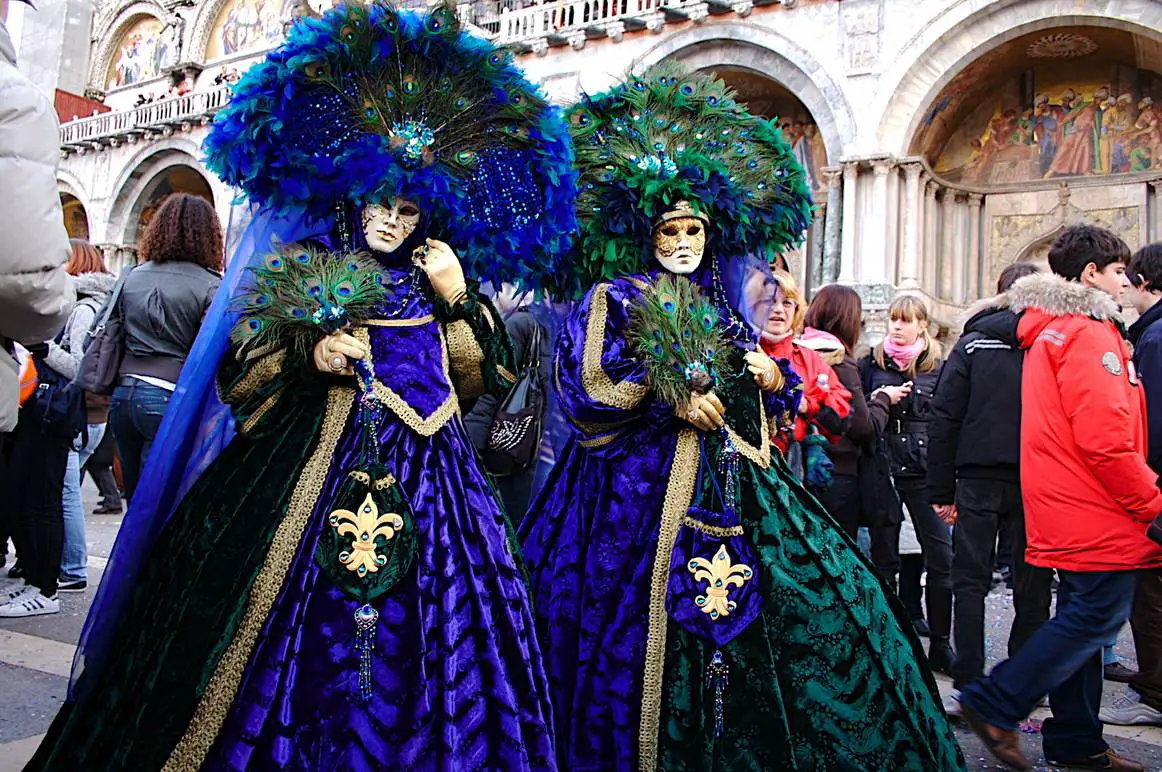
Carnevale, which means “farewell to meat,” is a carnival that takes place in many cities across Italy in the weeks leading up to Lent. It’s a time for wild costumes, masks, and parades. Many people associate Carnevale with Venice, which has a long history of elaborate masquerade balls and parties. However, Carnevale is also celebrated in other cities such as Viareggio and Ivrea, where they hold a massive food fight using oranges.
Another winter tradition in Italy is the celebration of La Befana, which takes place on the eve of Epiphany (January 6th). According to legend, La Befana is an old woman who visits children on the night before Epiphany, bringing gifts for the good children and coal for the bad ones. In some parts of Italy, people still hang stockings for La Befana to fill.
Whether you’re in Italy for Carnevale or La Befana, or just happen to be there when it snows, there are plenty of ways to celebrate the season. Try some seasonal treats like panettone (a sweet bread) or chestnuts roasted over an open fire. And don’t forget to enjoy the snow! Many ski resorts in Italy are open during the winter months, offering the chance to hit the slopes and enjoy the stunning scenery.
Tips For Visiting Italy In The Winter
If you’re planning to visit Italy in the winter, there are a few things to keep in mind to make your trip as enjoyable as possible. Firstly, be prepared for the colder temperatures and potential snowfall. Bring warm clothing, boots, and accessories like hats and gloves. Secondly, take advantage of the winter activities, such as skiing or snowboarding in the Alps. Thirdly, be aware that some tourist attractions may have different hours or even close during the winter months, so plan your itinerary accordingly.
But don’t let the potential changes to your itinerary deter you from visiting Italy in the winter. The cooler weather can be a refreshing change, and the lack of crowds can make for a more peaceful and intimate experience. Plus, you can indulge in some of the seasonal cuisine, such as hot chocolate and panettone.
Overall, visiting Italy in the winter can be a unique and memorable experience, just make sure to pack appropriately and plan accordingly.
Many people assume that Italy is a sunny, Mediterranean country, and that snowfall is rare. However, this assumption is false! Contrary to popular belief, Italy does get snow – and quite a bit of it, too. In this blog post, we’ll be debunking some common myths about Italian weather and exploring why and when the country experiences snowfall. So, if you’ve ever wondered if Italy gets snow, read on to find out the truth!