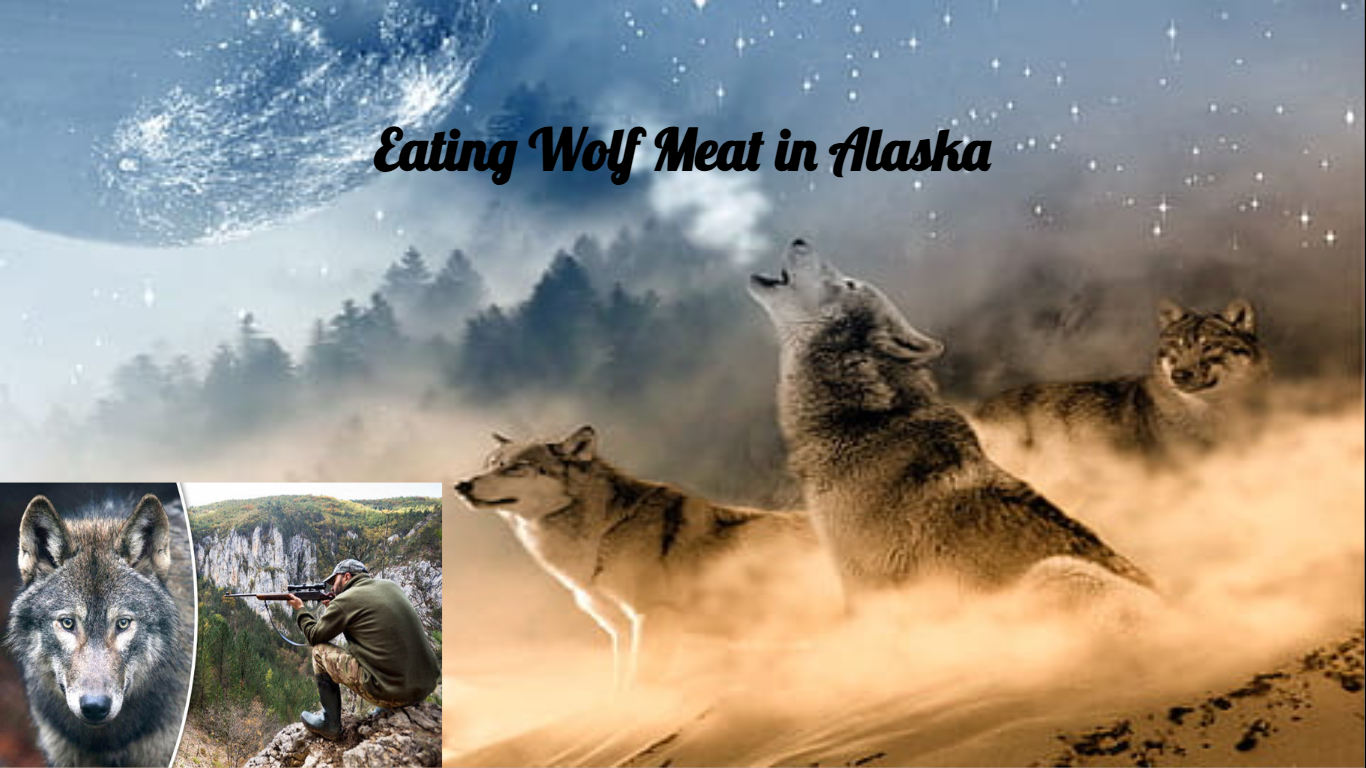
Eating wolf meat is a controversial topic in Alaska and across the United States. While the legal status of wolf hunting and consumption varies state by state, Alaskans have a unique set of considerations when it comes to this subject.
This blog post will explore the debate around eating wolf meat in Alaska, looking at both sides of the argument and exploring the legal implications of doing so.
Culture, Controversy, And A Taste Of The Wild
The controversy surrounding eating wolf meat in Alaska is rooted in a clash of perspectives and values. On one side of the argument, some see wolves as majestic creatures. They believe eating their meat is unethical and disrespectful to nature. These individuals argue that wolves are essential to the ecosystem. They play a vital role in maintaining balance in the environment.
On the other side of the debate, some support wolf hunting and consumption. They view it as a traditional practice rooted in Alaskan culture. For them, wolves are a valuable food source, like any other wild game. They also argue that responsible hunting helps manage wolf populations and protect other wildlife.
The controversy grows with opposing views on wolf hunting’s impact in Alaska. Some say regulated hunting prevents overpopulation. Others believe it reduces wolf numbers and disrupts the fragile ecological balance.
Ultimately, the controversy over eating wolf meat in Alaska is not just about the act of consuming the meat itself, but rather a clash of ideologies, values, and beliefs. It reflects the ongoing debate over our relationship with nature and the delicate balance between human needs and conservation efforts.
The Legality Of Eating Wolf Meat In Alaska
The legality of eating wolf meat in Alaska is a contentious issue that has been subject to intense debate for many years. Hunting wolves is legal in Alaska but subject to certain restrictions.
Strict hunting seasons regulate when and where hunters can hunt wolves. Bag limits set how many wolves a hunter or party may kill in a season.
Furthermore, there are also regulations that govern the transportation, processing, and sale of wolf meat. For example, it is illegal to transport a wolf carcass across state lines without the appropriate permits and documentation.
However, many people still oppose eating wolf meat despite these regulations. Some argue that it is cruel and unnecessary, while others believe that it is disrespectful to the animal and its place in Alaskan culture.
Overall, the legality of eating wolf meat in Alaska is a complex issue that raises many ethical and cultural questions. While it may be legal to hunt wolves in the state, it is important for hunters and consumers alike to consider the broader implications of their actions before making the decision to eat this controversial meat.
Alaska’s Cultural Bite
For many indigenous communities in Alaska, eating wolf meat has a deep cultural significance. Wolves have been an important part of Alaska’s natural and spiritual landscape for thousands of years, and their meat has been a source of sustenance for indigenous communities throughout the state.
Traditionally, wolf meat was believed to have powerful medicinal and spiritual properties. Many communities would use different parts of the wolf for healing purposes, such as using the fur for clothing or the bones for tools.
However, as Alaska has become more westernized and commercialized, the consumption of wolf meat has become less common. Some people view it as a barbaric and outdated practice, while others continue to embrace it as a symbol of their cultural heritage.
For many Indigenous communities, the debate over eating wolf meat goes beyond legality or health risks. It is a deeply personal and cultural matter. They believe it is their right to continue their traditions and preserve their heritage, even if it conflicts with Western norms.
Overall, the cultural significance of eating wolf meat in Alaska is complex. It reflects the diverse history and traditions of the state’s Indigenous communities.
The Ethics Of Eating Wolf Meat In Alaska
Eating wolf meat in Alaska raises ethical questions about animal treatment and their role in the ecosystem. Many believe wolves are vital to nature’s balance. They argue that killing them for food disrupts the delicate web of life.
Some see wolves as intelligent, sentient beings. To them, eating wolf meat feels like cannibalism or disrespectful to life. Others argue that eating wolf meat is no different from other meats, as long as it’s harvested sustainably and ethically.
Ultimately, the decision to consume wolf meat in Alaska comes down to personal values and beliefs. It is important to consider the impact of our actions on the environment and the animals within it, and make informed choices that align with our ethics. Alternatives to eating wolf meat include exploring plant-based options or choosing to consume meat from animals that are raised in a sustainable and humane way.
The Health Risks of Eating Wolf Meat in Alaska
While eating wolf meat may be legal in Alaska, there are potential health risks to consider. Wolves can carry diseases that can be transmitted to humans through their meat, such as trichinosis, which can cause muscle pain, fever, and fatigue. Other potential diseases include toxoplasmosis, salmonellosis, and rabies.
Wolf meat is not inspected by the USDA or any regulatory agency. This means no one can guarantee its safety. Without inspection, the meat may contain harmful chemicals or pesticides that pose risks to humans.
Some Indigenous cultures in Alaska have long eaten wolf meat and developed safe cooking methods. However, it’s important to consider potential health risks before consuming it. Sticking to other wild game approved and inspected by regulatory agencies may be a safer choice.
Alternatives To Eating Wolf Meat In Alaska
If you are curious about trying new meats in Alaska, there are plenty of options available that do not involve eating wolf. Here are a few alternatives to consider:
1. Reindeer: Reindeer meat is a popular food in Alaska and is readily available at local markets. It has a unique, gamey flavor that is similar to venison.
2. Moose: This popular Alaskan game meat is often likened to beef in flavor and texture. It is lean, tender, and has a rich flavor.
3. Salmon: Alaska’s fresh, flavorful salmon comes in many prized varieties. Whether you prefer sockeye, coho, or king salmon, there are plenty of ways to enjoy this tasty fish.
4. Halibut is a popular Alaskan fish known for its mild flavor and firm, flaky texture. You can grill, bake, or fry it to perfection.
5. Berries: If you’re looking for a non-meat option, Alaska is home to a variety of delicious berries, including blueberries, raspberries, and cranberries. Savor them fresh or transform them into jams and pies.
Overall, while the debate around eating wolf meat in Alaska continues, there are plenty of other delicious options to explore.