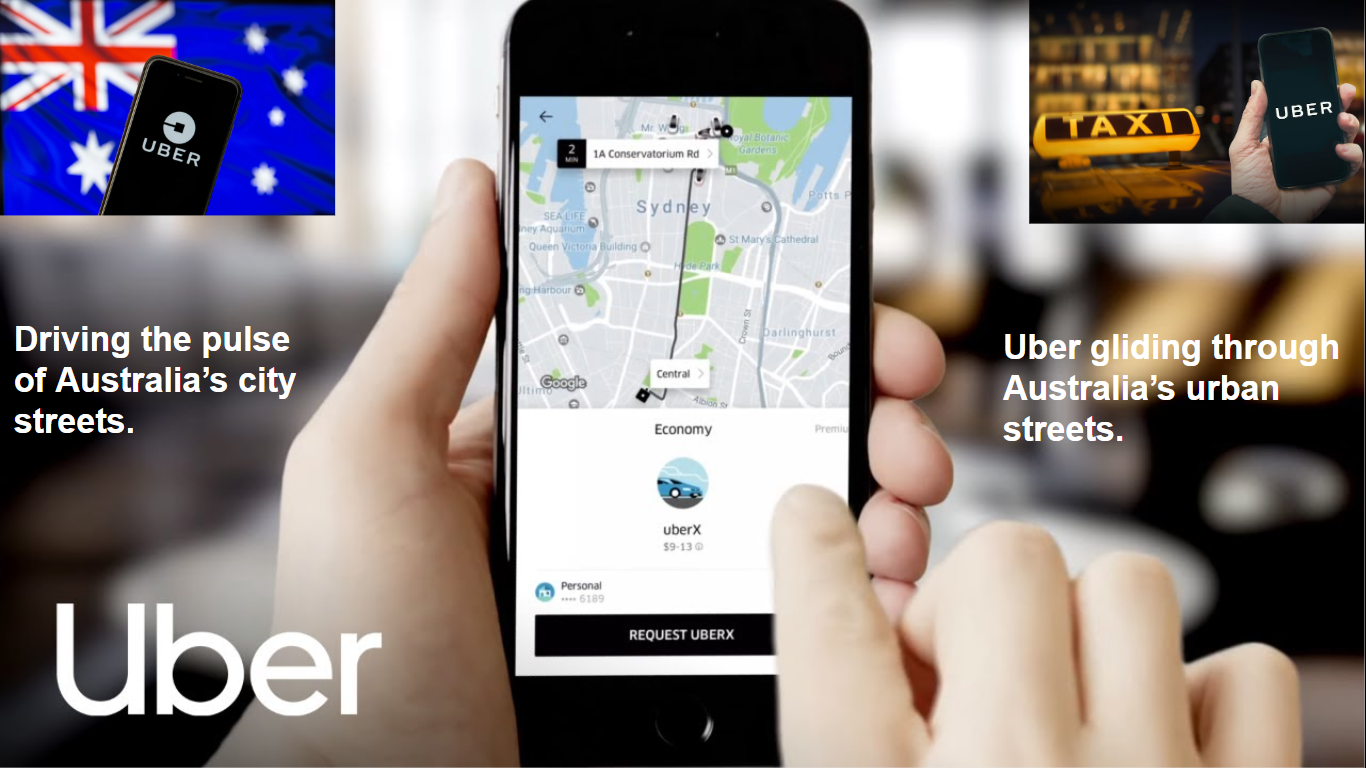
Are you planning a trip to Australia and curious about how transportation works there? If so, you’re in the right place. In this blog post, we’ll be decoding the transport landscape in Australia, with a particular focus on ride-hailing services such as Uber. We’ll explain how Uber operates in Australia, and whether or not it is available across the country. So read on to find out more about transport in Australia, and how Uber fits into the picture.
Inside the Fast Lane: Transport in Australia Today
Australia has a well-developed transportation system that caters to both urban and rural areas. It includes buses, trains, trams, taxis, ride-sharing services, and cars. The most popular mode of transportation in Australia is the car, followed by public transport. However, there is a shift towards the use of ride-sharing services, particularly in urban areas.
Public transportation in Australia is reliable and well-maintained, with trains and buses connecting cities and towns across the country. In urban areas, cities like Melbourne, Sydney, Brisbane, and Perth have trams and light rail systems in addition to buses and trains. Taxis are also readily available, but ride-sharing services are gaining more popularity, particularly among the younger population.
Overall, transportation in Australia is well-regulated and safe. The government sets and enforces strict safety standards for vehicles and drivers, making it one of the safest countries in the world for road travel. However, with the rise of ride-sharing services, there have been concerns about safety, regulation, and the impact on the taxi industry.
The Rise of Ride-Sharing and Uber in Australia’s Transport Scene
In recent years, ride-sharing apps have experienced a significant rise in popularity in Australia. These apps, such as Uber, have revolutionized the way people travel within cities. With the convenience of just a few taps on their smartphones, Australians can now easily book a ride and get to their destination without the hassle of traditional taxi services.
One of the main reasons for the success of ride-sharing apps in Australia is the convenience and affordability they offer. With Uber, for example, users can request a ride at any time and track their driver’s location in real-time. The apps also provide transparent pricing, allowing passengers to see the fare upfront before confirming the ride. This transparency has made ride-sharing apps a popular choice for Australians looking for a cost-effective and reliable mode of transportation.
Furthermore, the rise of ride-sharing apps has also created new opportunities for drivers in Australia. Many individuals now choose to become part-time or full-time Uber drivers, providing them with flexible work hours and the potential to earn extra income. This has contributed to the growth of the gig economy in Australia, with more people turning to ride-sharing as a source of employment.
Overall, the rise of ride-sharing apps in Australia has transformed the transportation landscape. These apps have become an integral part of many Australians’ daily lives, providing them with a convenient, affordable, and reliable mode of transportation. As ride-sharing apps keep growing and innovating, they will shape the future of transportation in Australia even more.
Is Uber Driving the Future of Transport in Australia?
Yes, Uber has been operating in Australia since 2012. It is currently available in all major cities and many regional areas across the country. Australians have embraced Uber as a convenient, cost-effective alternative to traditional taxis and public transportation.
To use Uber in Australia, you need to download the app and create an account. From there, you can request a ride and track your driver’s progress to your location. You pay through the app and rate your driver after the trip.
However, the Australian government has imposed strict regulations on ride-sharing apps like Uber. These rules ensure safety and fair competition in the transport industry. Drivers must earn accreditation and pass regular safety checks. There are also limits on surge pricing during busy periods.
Overall, Uber has been successful in Australia, but it faces competition from other ride-sharing apps like Ola, DiDi, and Taxify. As the industry changes, it’s worth watching how players tackle challenges and seize opportunities in Australia.
Cruising the City: How Uber Fuels Transport in Australia
Uber operates in most major Australian cities Sydney, Melbourne, Brisbane, Perth, Adelaide, and Gold Coast. The app lets riders book rides quickly with a few taps. Drivers are vetted and must pass background checks before they are allowed to pick up passengers. Payments are processed through the app, so no cash changes hands.
One unique feature of Uber in Australia is the option to request an UberXL, which can accommodate up to six passengers and is ideal for larger groups or families. UberX is also available, which offers a standard ride for up to four passengers. UberBlack and UberSUV are higher-end options that feature luxury vehicles and professional drivers.
In addition to standard rides, Uber also offers UberEATS, a food delivery service that allows users to order from their favorite local restaurants and have food delivered to their doorstep. This service is available in many Australian cities and is becoming increasingly popular as people continue to look for ways to enjoy their favorite meals from the comfort of their own homes.
Competitors to Uber in Australia
Although Uber is the dominant player in the ride-sharing industry in Australia, there are some competitors that have made a dent in the market. The most notable competitor is Ola, an Indian ride-sharing company that entered the Australian market in 2018. Ola currently operates in Sydney, Melbourne, Perth, Adelaide, Brisbane, and the Gold Coast.
Another significant competitor is Didi, a Chinese ride-sharing company that launched in Melbourne in 2018. Since then, Didi has expanded to Brisbane, the Gold Coast, and Sunshine Coast. In addition to Ola and Didi, there are also smaller ride-sharing apps such as GoCatch and Taxify, which offer cheaper rates than Uber.
However, despite the presence of these competitors, Uber still maintains its dominant market share. This can be attributed to Uber’s early entry into the Australian market, brand recognition, and extensive driver network. Uber has also managed to stay ahead of the competition by introducing new features such as UberPOOL and UberEATS.
Overall, while competitors to Uber exist in the Australian market, it remains to be seen if they will be able to significantly challenge Uber’s position as the market leader.
Challenges and controversies faced by Uber in Australia
Uber has faced its fair share of challenges and controversies in Australia. One of the main issues that the company has faced is regulatory scrutiny from the government and the taxi industry. Traditional taxi drivers and companies have argued that Uber operates unfairly and undermines their business. As a result, Uber has been subject to legal battles and protests, with some cities implementing restrictions or attempting to ban the service altogether.
Another controversy that Uber has faced in Australia is the issue of safety and driver background checks. There have been instances of Uber drivers being involved in criminal activity or behaving inappropriately towards passengers. This has led to concerns about the company’s vetting process and safety protocols. In response, Uber has made efforts to improve its safety measures, such as implementing features like real-time trip tracking and sharing driver details with passengers.
Furthermore, Uber has faced criticism for its surge pricing during peak periods. Surge pricing aims to get more drivers on the road during busy times. But some customers feel prices are unfairly high. Uber has faced backlash, with calls for more transparency and stricter regulation of surge pricing.
Despite these challenges and controversies, Uber has managed to navigate the Australian market and continue operating in the country. Uber has worked to address concerns and improve its services. It remains a popular transport choice for many Australians. As the industry evolves, Uber will face new challenges. Its ability to adapt and innovate will be key to staying ahead in Australia’s transport scene.
The future of ride-sharing apps in Australia
The future of ride-sharing apps in Australia looks bright, with many opportunities for growth and expansion. With rising demand for affordable, convenient transport, ride-sharing apps like Uber are set to keep growing in Australia.
However, there are also challenges that lie ahead. However, there are also challenges that lie ahead. Additionally, concerns over safety and security will need to be addressed to maintain public trust.
Additionally, concerns over safety and security will need to be addressed to maintain public trust.
Despite these challenges, there are several factors that suggest ride-sharing will remain a popular option in Australia. The country’s large population and sprawling cities make it an ideal market for ride-sharing apps. Additionally, the rise of autonomous vehicles and other innovations in transportation technology could open up new possibilities for ride-sharing companies in the future.